Does Ginger Really Help Hair Growth? The Evidence
MM+ Health Desk||5 min read
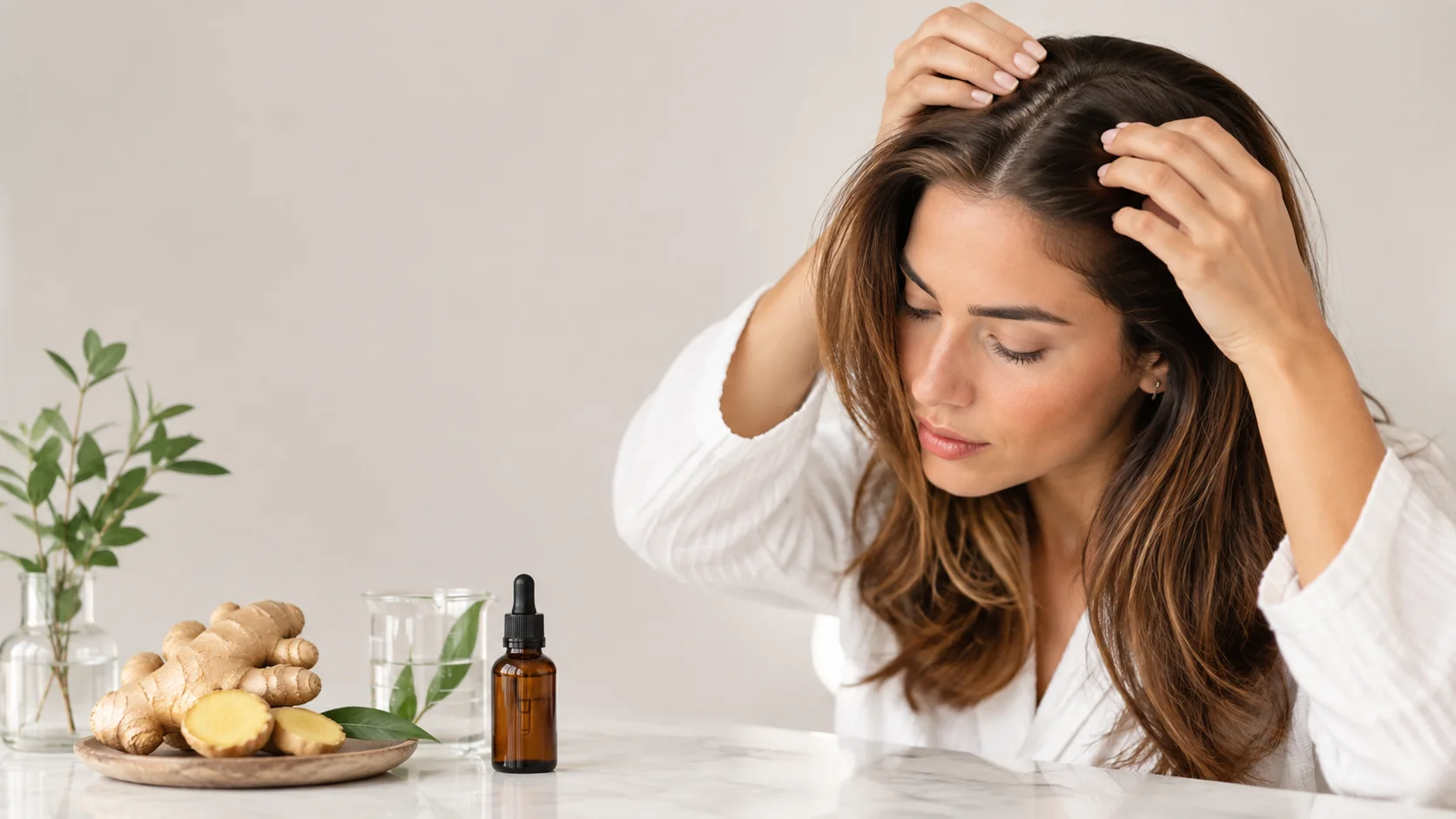
Ginger scalp masks are all over social media, promising thicker, faster-growing hair. It is cheap, natural and sitting in most kitchens, so the appeal is obvious. The evidence, unfortunately, is a lot less exciting than the videos.
What the evidence says
Most claims rest on the idea that ginger "boosts circulation" to the scalp. That warming, tingling feeling is real, but there is no good human evidence that it grows hair. In fact, a well-known laboratory study found that 6-gingerol, one of ginger's main compounds, actually suppressed hair growth rather than encouraging it. The popular claim and the lab data point in opposite directions.
The risks of DIY scalp masks
- Irritation and burning, especially on an already itchy or inflamed scalp.
- Allergic contact dermatitis, which can worsen shedding rather than help it.
- Wasted time, the real cost, because weeks on an unproven remedy are weeks not spent on something that works.
What does help
Hair loss has causes, and effective treatment depends on which one you have. Instead of kitchen remedies, the things with real evidence behind them are:
- Minoxidil, the best-studied over-the-counter option for pattern hair loss.
- Fixing deficiencies, since low iron, vitamin D or protein can drive shedding.
- Treating the scalp, because dandruff and inflammation quietly worsen hair fall.
- Being gentle, avoiding tight styles, harsh heat and aggressive brushing.
If you are noticing a widening part, a receding hairline or clumps in the shower for more than a few weeks, that is worth a proper look. A short video consult can identify the pattern and point you to treatment that is actually proven, before you lose months to remedies that are not.
Want a recommendation for your skin?
Talk to a doctorThis article is for general education only and is not a substitute for individual medical advice. For a concern specific to you, please consult a doctor.